 iORbase 2.0 - Comprehensive Analysis Platform for Insect odorant Receptors
Applications
Based on large-scale virtual screening based on structure prediction and molecular docking, we can provide assistance for the practical application of iOR from the perspective of functional prediction. In addition, a brand-new functional prediction method based on deep learning is also under testing.
Reverse Target Identification
Problem
Reverse target identification involves identifying the specific insect odorant receptors (iORs) that interact with given compounds, such as the repellent DEET or locust aggregation pheromones. Identifying the target OR enables the rational design of insect repellents or attractants, and further elucidates the compound's mechanism of action or the insect's olfactory processes.
Our database provides extensive OR repertoires across multiple insect species, along with ecological and behavioral data. Users can build customized molecular docking systems online and perform large-scale reverse target screening locally with one-click execution.
>>Learn More
Examples
Mengbo, G. et al. Odorant Receptors for Detecting Flowering Plant Cues Are Functionally Conserved across Moths and Butterflies, Molecular Biology and Evolution, 1413–1427 (2021)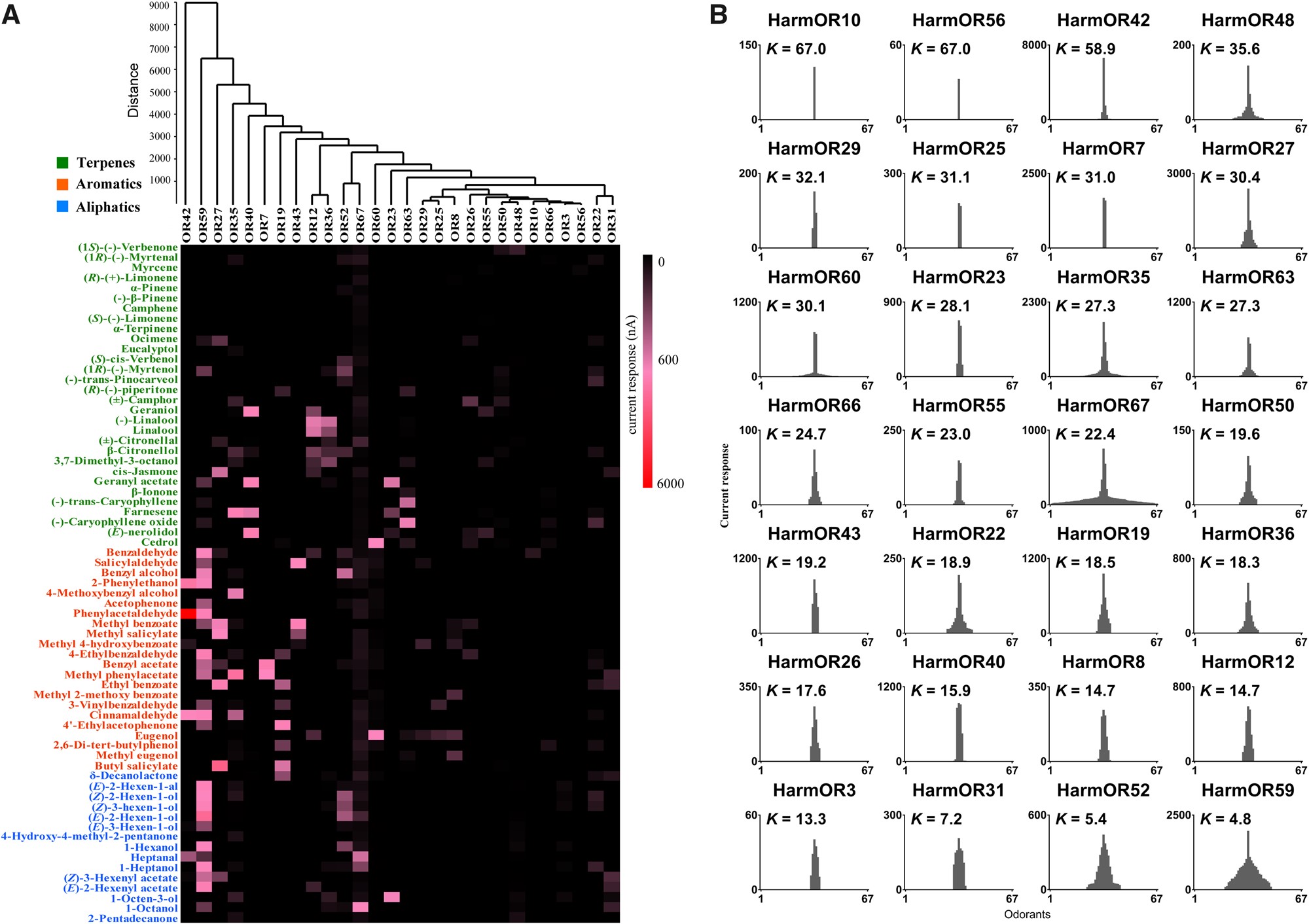
Xu, L. et al. Two odorant receptors regulate 1-octen-3-ol induced oviposition behavior in the oriental fruit fly. Commun Biol 6, 176 (2023).
Agonist Screening
Problem
Agonist screening aims to computationally identify molecules that bind strongly to a known iOR target, providing preliminary candidates for insect OR-based drug or insecticide development. Our database includes compounds spanning broad chemical space, including insect pheromones, plant volatiles, and common environmental odorants.
We support online construction of tailored molecular docking systems, allowing users to download the complete setup and run large-scale virtual agonist screening locally with a single command.
>>Learn More
Examples
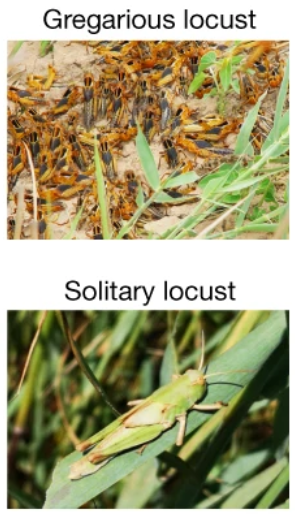
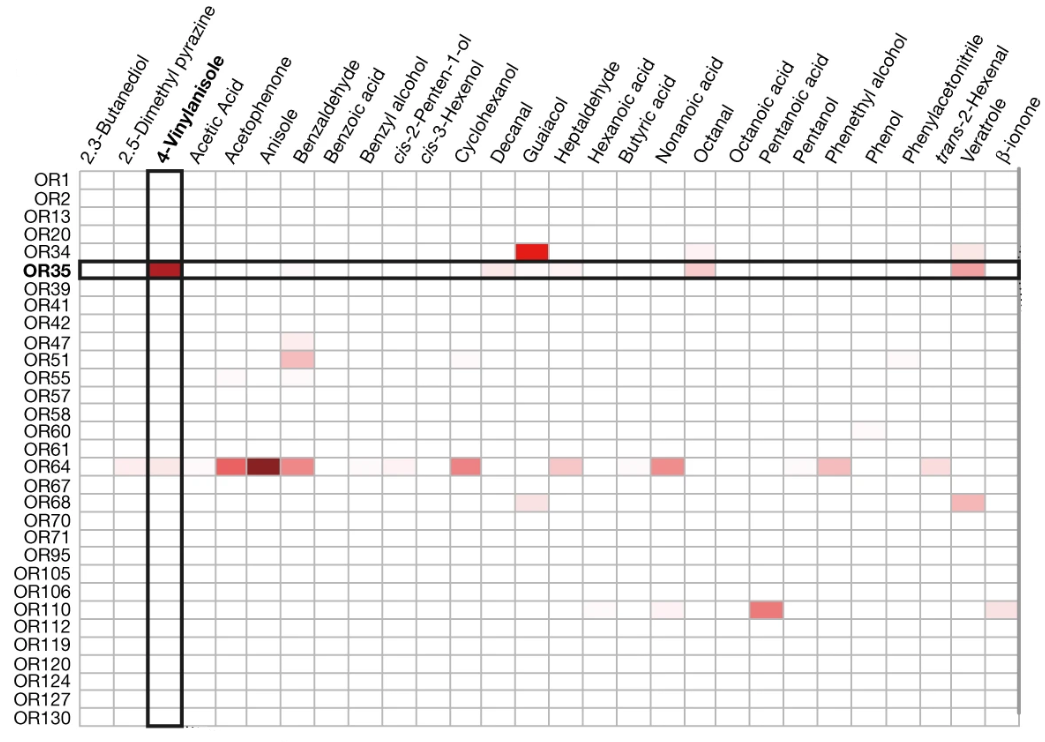
Guo, X., Yu, Q., Chen, D. et al. 4-Vinylanisole is an aggregation pheromone in locusts. Nature 584, 584–588 (2020).
Xiaoqing, H. et al. Functional characterization of odorant receptors from the moth Eriocrania semipurpurella: A comparison of results in the Xenopus oocyte and HEK cell systems. Insect Biochemistry and Molecular Biology, 117 (2020).